When you're knee-deep in a DIY project, especially one that involves making multiple wire handles for reused packaging or storage, the question inevitably arises: Is a 100 mm jaw bench vice really necessary? Could parallel-action pliers and side cutters suffice? Let's explore how tool choice affects consistent curves, reducing hand strain, and ensuring your reclaimed packaging stands the test of time.
Why Wire Handles Matter in Reclaimed Packaging
Wire handles are the backbone of many upcycled projects—think homemade crates, tote reinforcements, or even gift bag sturdification. Done right, they transform fragile, reused materials into reliable storage solutions, much like a well-organized library shelf that supports many tomes without buckling. But if the wire handles are shoddy, flimsy, or uneven, they can turn into an unexpected weak spot, similar to a book spine splitting mid-read.
The Load Capacity and Wire Gauge Connection
Choosing the right wire gauge is critical and ties directly into how much weight your handles can support. To give you a quick mental weight reference: a wire handle made from 14-gauge wire (about 1.6 mm diameter) can carry a load roughly equivalent to a crate of paperbacks—say ~20 kg—with some margin for safety plus or minus 1 mm. Thinner gauges may look neat but risk snapping or deforming when you least expect it, especially attached to reclaim materials like thin cardboard or woven fibers.
How Tool Choice Impacts Handle Quality and Hand Safety
Now, on to the meat of the question: do you really need a bench vice? Or can your trusty parallel-action pliers and side cutters do the job? Here’s my https://packagingrevolution.net/add-wire-handles-to-boxes-and-bags/ take, honed from a dozen years of hobbyist packaging reuse.
The Bench Vice — 100 mm Jaw Width: Pros and Cons
- Pros:
- Firm, steady grip for stable, clean bends. Allows precise, repeated shaping for consistent curves on multiple handles. Reduces hand strain because the vice holds the wire firmly, so your hands aren’t battling to keep it still. Ensures safer cutting positions with side cutters close to the vice jaws to avoid ragged drill holes or tears.
- Initial cost and space requirement; not ideal if you’re working in a tiny flat or garage shelf with limited room. Anchoring must be secure—lazy setups can cause sudden drops or scratches on your work surface.
Parallel-Action Pliers and Side Cutters: Why They’re Useful but Limited
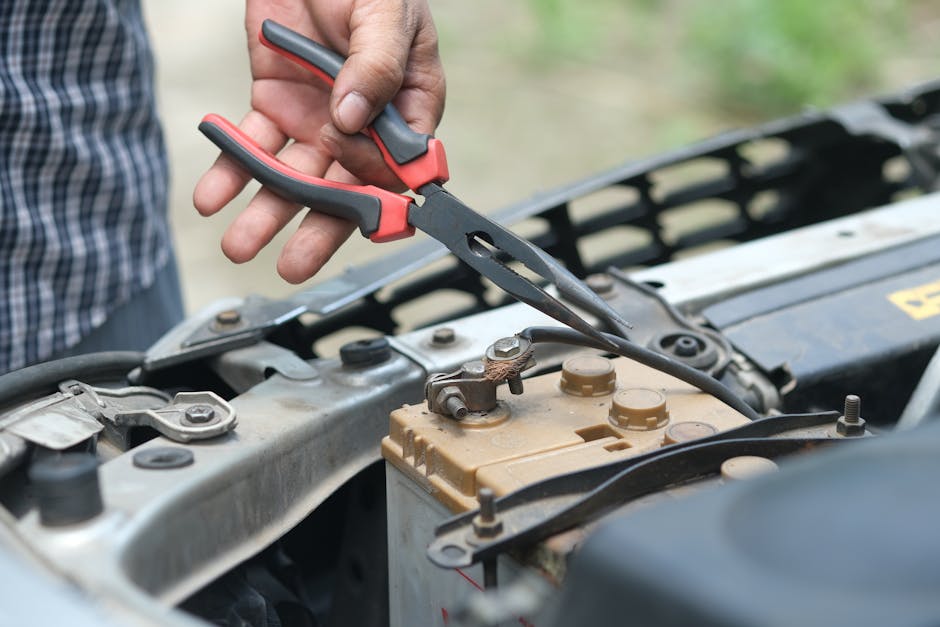
Parallel-action pliers excel at gripping without changing the angle of your wire jaws as you squeeze. They’re great for tight bends and forceful clips on small-scale projects. Side cutters, meanwhile, give you clean, quick wire cuts when used properly.
- Benefits:
- Compact and easy to wield; no installation needed. Allow for quick shaping without fuss—particularly handy for quick prototypes.
- More hand strain when making multiple identical handles, as both grip and shaping rely on your wrist and fingers. Harder to maintain consistent curves on repeated bends; small variability adds up over a batch of handles. Wire ends can be more jagged unless you sharpen or file them post-cutting—a common cause of tangles or snags on packaging.
Best Practices for Preparing Reclaimed Materials Before Drilling
Making reliable wire handles isn’t just about the wire—it’s also about how well you prepare the materials. Weak or fragile materials can let down your carefully crafted handle in a jiffy, ironically resembling a minuscule library with creaky, unsupported shelves.
Reinforcing Weak Packaging
- Before drilling: Add thin sheets of cardboard or kraft paper layers glued over fragile spots where the wire will pass through or anchor. Consider cross-bracing: For crates or boxes, internal or external bracing strips strengthen edges, distributing load more evenly.
Preventing Ragged Drill Holes and Tears
One pet peeve of mine is ragged holes that start a tear—akin to a cracked book cover undermining the whole volume’s integrity. To avoid this:
- Use a sharp, properly sized drill bit designed for the material at hand. Drill slowly and steadily, applying moderate pressure to avoid material splitting. Consider punching a small pilot hole or scoring the area lightly with a craft knife before drilling.
Summary: When to Opt for Your Bench Vice Versus Hand Tools
Scenario Recommended Tools Reasoning Making 1-3 Wire Handles Parallel-Action Pliers + Side Cutters Quick job, can tolerate minor curve inconsistencies, low hand strain manageable. Making 4+ Handles, Emphasizing Consistency & Safety 100 mm Jaw Bench Vice + Side Cutters Firm, repetitive placement reduces hand fatigue and guarantees consistent curves & clean cuts. Working with Fragile or Thin Reclaimed Materials Bench Vice + Reinforced Drill Holes Stable bends and gentle drilling prevent tearing and ensure durable handles.Final Thoughts
While not strictly mandatory, a 100 mm jaw bench vice is invaluable if you're looking to churn out multiple wire handles with consistent curves and reduced hand strain. Paired with side cutters, it forms a toolkit that improves both the reliability and safety of your upcycled packaging. However, for quick projects or if space is tight, parallel-action pliers and side cutters can suffice—just expect to spend a bit more effort on consistency and finish.
Remember, the goal is to treat your reclaimed packaging like a well-cataloged library: every “book” (or box) supported properly so it doesn’t sag or collapse, with handles that bear weight reliably—and tools chosen thoughtfully make all the difference in that story.