When embarking on a kitchen renovation, the promise of a "fixed-price kitchen" quote is a comforting beacon amid inevitable upheaval. But is it truly fixed? Or should homeowners approach these quotes with cautious optimism and a dash of scepticism?
Having spent over a decade coordinating residential refurbishment projects around London, predominantly kitchens and extensions, I've learned to read between the lines of renovation quotes. In this post, I’ll unpack the realities behind fixed-price contracts, highlight the benefits of design-build versus specialist installers, and explain why clear scope of works specifications and milestone-based payments are your best friends in keeping surprises at bay.
What Does Fixed-Price Contract Kitchen Really Mean?
By definition, a fixed-price contract offers a set sum to complete the agreed kitchen renovation. Sounds straightforward, right? Unfortunately, the devil is in the detail—specifically, the scope of works specification.
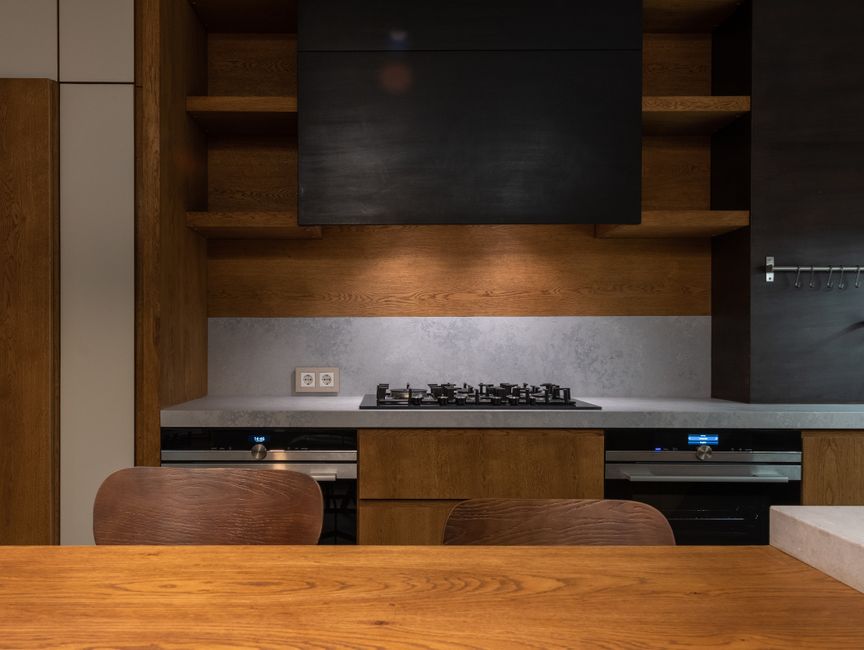
A fixed-price contract kitchen is only as "fixed" as the clarity and completeness of that scope. Ambiguous terms like "allowance," "provisional sum," or the dreaded "TBC" (to be confirmed) can open the door to scope creep and unexpected costs.
- Scope of Works Specification: This document should clearly delineate every element of the project—from bespoke kitchen cabinetry, plumbing and electrics, to flooring finishes and appliances. Variations and Extras UK: Any deviations or additions outside the initial scope will typically be charged as variations or extras. These cost overruns can turn a seemingly fixed price into a moving target.
Companies like Beams Renovation are known for their comprehensive scopes and transparent quotes. On Trustpilot and Google, reviews often highlight their clarity in defining what is and isn’t included—something that helps cement trust with their clients.
Design-Build vs Specialist Installers: Who Keeps the Price Fixed?
Understanding the procurement model can make all the difference. A design-build contractor assumes responsibility for both the design and construction, delivering a single point of accountability. Specialist installers, by contrast, might only perform a segment of the work (e.g., cabinetry or electrics) and the homeowner or a separate contractor coordinates other trades.
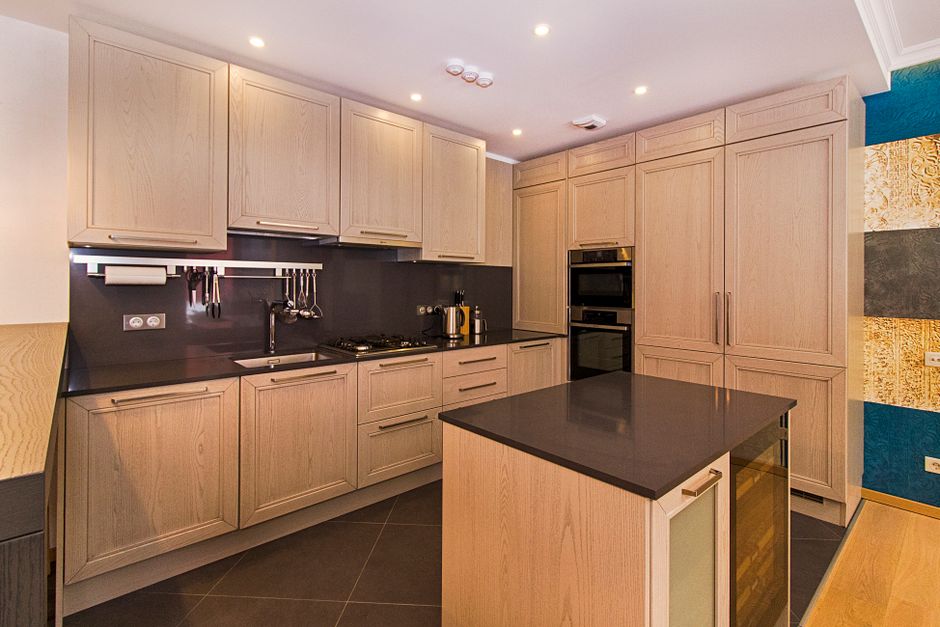
NU Projects, a London-based design-build specialist, leverages this model with integrated 3D design and in-depth pre-build visualisations. This setup drastically reduces scope ambiguity, enabling a more reliable fixed price contract kitchen delivery.
The Power of 3D Design and Pre-Build Visualisation
One major advancement that supports fixed-price contracts is immersive 3D design software and virtual walkthroughs. Before a single tile is set, homeowners can inspect their proposed kitchen layout, finishes, and colours in exquisite detail.
- Visual Clarity: Seeing a realistic 3D model reduces the chance of unexpected changes once work begins. Early Sign-Off: Owners approve the design and materials before ordering, locking down the scope and budget. Material Specification: Clear product selections avoid vague “allowances” that can escalate costs.
LCCL Construction is a great example of a company that utilises pre-build visualisation as a contract foundation, instilling confidence to both parties before milestone payments commence.
Fixed-Price Contracts and Scope Control: How to Avoid Hidden Costs
The key to sticking to your fixed price lies in the ironclad definition of the scope of works specification. Ambiguity breeds risk. Here are some tips for homeowners:
Demand Detail: Every material, finish, appliance make and model, and process (e.g., surface preparation) should be outlined. Challenge “Allowances” and “TBCs”: Push your contractor to replace these placeholders with actual selections. Request a Variation Procedure: How are change orders handled? What triggers additional payments? What authorisation process exists for work outside the scope? Refer to Reviews and References: Look up companies like Beams Renovation, LCCL Construction, and NU Projects on Google and Trustpilot—not just the cherry-picked testimonial on their website.Be wary of "scope creep" disguised as "small changes." A seemingly trivial alteration can blow your budget if not properly controlled and signed off.
Milestone Payments and Sign-Off Releases: Your Financial Safety Net
Fixed-price contracts commonly break payments into milestones linked to tangible progress or deliverables, such as:
- Design approval and final specification sign-off Completion of demolition and groundwork Cabinet installation and appliance delivery Final snagging and handover
This staged approach incentivises contractors to maintain transparency and provides you, the homeowner, with natural checkpoints to assess completed work against the agreed scope before releasing further payments.
Questions I always ask clients: "What triggers the payment release?" and "Is there a final sign-off before the last payment?" If your contract skips these details, push back—it’s your financial protection.
Summary
A "fixed price" kitchen renovation can be genuinely fixed, but only if:
- The scope of works specification is crystal clear and complete, with no fuzzy allowances. The procurement model, preferably design-build, ensures single-point accountability. 3D visualisation tools are used to eliminate surprises before build commences. Milestone payments are linked to clear deliverables and sign-offs. You remain vigilant about variations and extras, understanding what triggers additional charges.
Companies such as Beams Renovation, LCCL Construction, and NU Projects exemplify best practice in this realm, earning high marks on Trustpilot and Google for transparent, well-managed fixed-price kitchen contracts.
Remember, the most successful renovations are built on well-defined agreements—not just numbers on a quote.
Good luck with your kitchen transformation!
```