Moving day stirs up a whirlwind of decisions. What to pack first? What to keep handy? And critically, what goes into the essentials box? If you’re like me — someone who starts every morning with a hot cup of coffee or tea — the question often boils down to one: Browse around this site Should I pack my coffee maker or kettle in the essentials box? These small appliances can set the tone for your first morning after move, but deciding where they fit in your packing hierarchy takes a bit of thought.
With over a decade coordinating residential moves — scheduling elevator bookings, coordinating truck parking, and managing Certificate of Insurance (COI) requests — I’ve cracked the code on practical, stress-reducing tips that smooth the chaos. Plus, I’ll weave in important guidance from Southside Moving (Southside Portsmouth Va Movers) and federally backed safety tips from the Federal Motor Carrier Safety Administration (FMCSA) and their trusted resource Protect Your Move.
The Essentials Box: What Is It and Why Does It Matter?
The essentials box is your go-to kit for the first 24-48 hours in your new home. It’s the box you (or your movers) should have quick access to for items you'll need immediately, without digging through endless unpacked boxes. Think toiletries, a change of clothes, chargers, snacks, and crucially — hot beverage appliances.
Before jumping to pack your coffee maker or kettle here, consider these key themes:
- Decluttering to cut cost and unpacking time Safety-based exclusions and non-allowables Truck parking and building access logistics Measuring large furniture and exit dimensions
Decluttering: Cut Costs and Packing Time
First, give your coffee maker and kettle an honest appraisal. Are they workhorses, reliable and in good repair? Or just gadgets you bought on a whim or inherited? Moving presents the perfect opportunity to downsize. Remember, Southside Moving and most professional services charge based on truck space and labor, so shedding unnecessary items trims your overall spend.
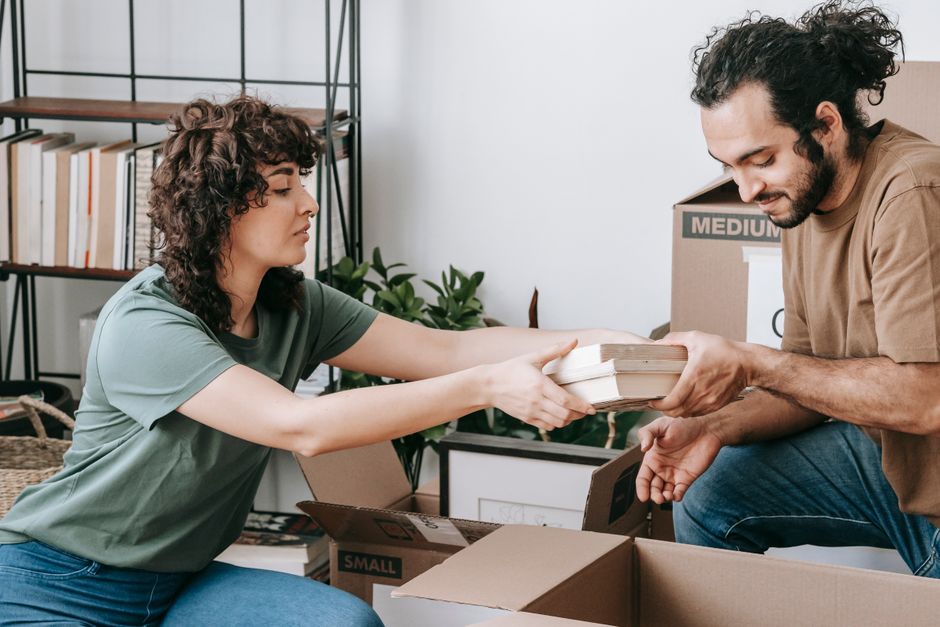
Here’s a quick checklist to determine if your coffee maker or kettle belongs in your essentials box — or the donation pile:
Frequency of Use: Do you make coffee or tea every morning without fail? Size & Portability: Is your coffee maker bulky and complex, or does your kettle pack down quickly? Functionality: Does it work without glitches or leaks? Replacement Accessibility: Can you quickly buy a temporary replacement near your new home?If the answer to all is yes, pack away; if no, reconsider.
The Big No: Non-Allowables and Safety-Based Exclusions
One of my biggest pet peeves: discovering flammables or hazardous materials in boxes just as the movers arrive. It derails the schedule and risks fines or refusals by the carrier. The FMCSA has strict regulations about what can be transported, documented clearly in their excellent booklet, Your Rights and Responsibilities When You Move, and brochure, Ready to Move.
From my experience working with movers like Southside Moving (who follow FMCSA guidelines meticulously), here are key points regarding coffee makers, kettles, and their related items:
- Electric Appliances: Coffee makers and electric kettles are allowed but must be completely dry and clean. Any residual water can cause electrical hazards or corrosion during transit. Flammable Liquids: NEVER pack lighter fluid, propane for camping kettles, or alcohol-based cleaning solutions in your moving boxes. These are banned and can halt the move. Batteries & Chargers: If your coffee maker has rechargeable batteries or smart components, pack these separately with chargers in your essentials box for quick access, but don’t mix with flammables.
Consult the FMCSA publications or Southside Moving when in doubt. Their expertise includes vetting items prior to loading, saving you headaches on day one.
Truck Parking and Building Access Logistics
Where the moving truck parks is one of my signature questions before discussing packing. You’d be amazed how much your ability to unload bulky or fragile appliances depends on this logistics element.
Click for more infoIf you have tight or restricted street parking at your building (common in Portsmouth and urban areas), you’ll want to pack your coffee maker or kettle for easy retrieval. This means:
- Labeling boxes clearly: Painter tape in big block letters "ESSENTIALS" helps movers prioritize and speed up access. Distance and Stairs: If movers must haul items up multiple flights without elevator access booked ahead, you want to minimize the number of delicate items carried at once. Elevator Reservations: Always book elevator time slots in advance through your building management or HOAs. Southside Moving’s coordinators are pros at scheduling these to avoid delays.
Why does this matter for your kettle or coffee maker? Because the essentials box is supposed to be the first thing you open, not lost a dozen boxes deep in the truck or slowed by no elevator access. Discuss the parking situation upfront with your moving company and relay this in your packing strategy.
Measuring Large Furniture and Exits: A Moving Day Secret
Every move I’ve helped organize starts with measuring — no exceptions. Although kettles and coffee makers are small, the overall flow of the move depends on how well large furniture fits through your doors, stairs, and hallways.
This fact impacts your essentials box choice indirectly:
- Clutter Reduction: Bulkier, unnecessary kitchen appliances increase loading time and space issues within the truck and your new home’s elevators and doorways. Smoother Unload: Movers can tackle unpacking staples like your coffee maker/kettle quickly if room and pathways are clear, so you get your morning caffeine on time.
Use a tape measure (or the building schematics) to verify your furniture and appliances' dimensions. This also helps when working with Southside Moving to determine truck size and labor requirements — avoiding surprise charges.
To Pack or Not to Pack in the Essentials Box?
So here’s the simple, practical bottom line:
Scenario Pack Coffee Maker/Kettle in Essentials Box? Notes You brew daily, appliances work, and have easy truck/elevator access Yes Keep dry/clean. Ensure cords are taped inside box. Label clearly “ESSENTIALS.” Appliance rarely used or bulky No Donate or box separately for unpacking later. Use small travel kettle temporarily. Building has limited parking or no elevator access Yes, but with caution Confirm moving logistics with Southside Moving to prioritize essentials for fast-unload near stairs. Appliance has leftover water/flammable cleaning fluids inside No Clean and dry fully. Do not pack flammables; per FMCSA rules, these must be removed before loading.Last Tips: Stay Informed and Communicate Early
Before move day, make time to review the FMCSA’s ‘Your Rights and Responsibilities When You Move’ booklet and their ‘Ready to Move’ brochure. These valuable guides cover everything from allowable items to your legal protections. If you’re working with Southside Moving or another professional mover, ask them for their moving day checklist and non-allowables list. I also recommend keeping a running list of items movers will not take taped inside a kitchen cabinet for quick reference.
Remember to label your essentials box boldly with painter’s tape and room name. Movers appreciate this, and it speeds unpacking to get your first morning after move coffee or tea underway without stress.
Conclusion
Packing your coffee maker or kettle in your essentials box isn’t just a convenience – it’s a strategic move that depends on your appliances’ condition, your building’s access logistics, and safety rules set by the FMCSA. Consult the Protect Your Move resources, communicate early with your mover (like Southside Moving), and plan for truck parking and furniture measurements to ensure your move starts smoothly.
With thoughtful prep, your first morning after move can definitely feature that perfect cup — hot, convenient, and well-earned.