If you have spent any time looking at bathroom vanity upgrades in the Santa Clarita Valley, you know the struggle. You walk into a showroom in Valencia or browse online, and suddenly, every mirror is a "smart" mirror. I spent ten years behind a showroom counter watching homeowners stare at these things, trying to figure out if they were worth the extra cash or just expensive glass with a glorified lightbulb.
Let’s cut through the marketing fluff. A touch sensor mirror is fundamentally different from a standard mirror, but that doesn't mean every feature is a winner. Here is the reality of bringing high-end tech into your bathroom.
What is a Touch Sensor Mirror?
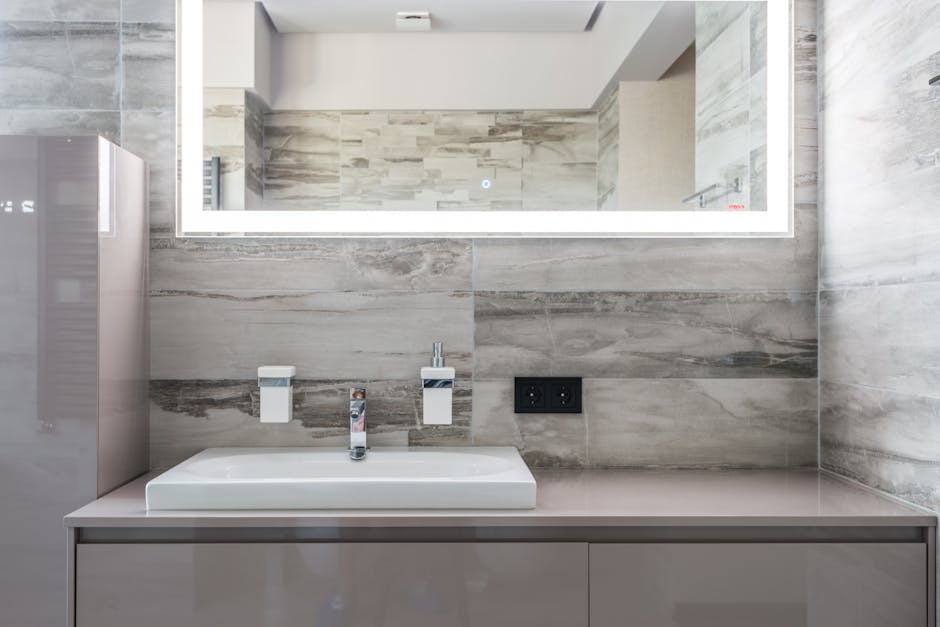
A touch sensor mirror isn’t just a mirror with a light attached. It’s an integrated appliance. When you tap the glass, you aren't just flipping a switch; you are interacting with a low-voltage circuit that manages LEDs embedded behind the surface. Companies like LED Mirror World have really pushed the design envelope, shifting from those old-school clunky fluorescent light bars to sleek, edge-lit aesthetics that actually look good in a new FivePoint Valencia build.
The primary features homeowners gravitate toward are brightness control and color temperature adjustment. In a standard mirror, you’re stuck with whatever the overhead recessed lighting gives you. If that light is flickering or too yellow, you’re stuck with it. With a touch mirror, you control the output.
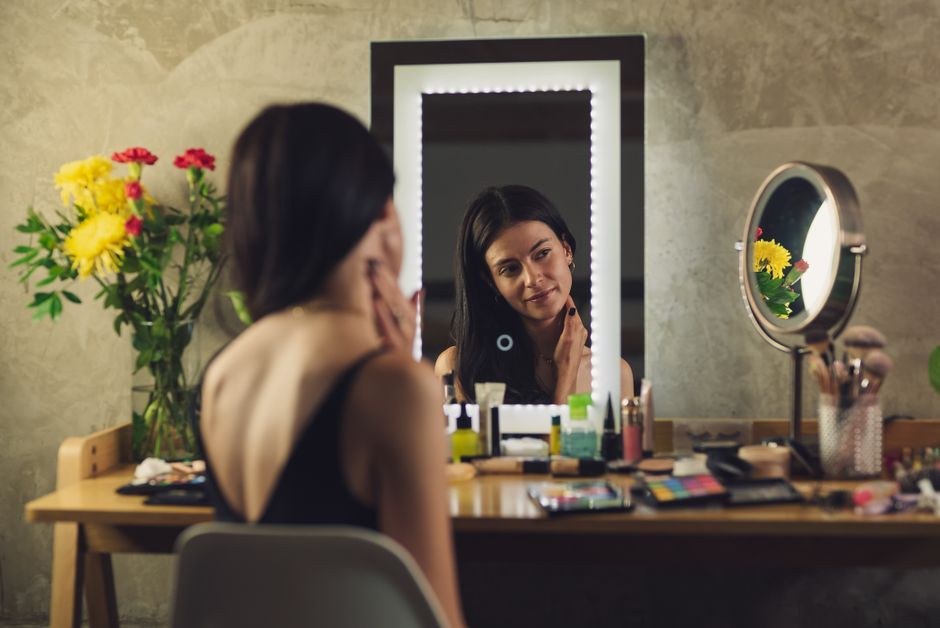
The Functional Difference: Why Brightness and Color Matter
It sounds simple, but the ability to toggle between cool, crisp light and warm, soft light changes your morning.
Color Temperature Explained
Color temperature is measured in Kelvins. A "daylight" setting (usually around 5000K-6000K) mimics the natural sun. If you’re applying makeup or trying to see if that shirt actually matches your pants before heading to work in Canyon Country, this is essential. A "warm" setting (around 2700K-3000K) is much easier on the eyes during those 5:30 AM wake-up calls.
Brightness Control
Most touch mirrors allow you to dim the output. This is a game-changer for midnight trips to the bathroom. Instead of hitting yourself with 100% lumen brightness, you can keep the mirror on a low, ambient glow. It’s a small detail, but your retinas will thank you.
The "Cool But Useless" Factor
Look, I’ve seen it all. I’ve sold mirrors with built-in Bluetooth speakers, digital clocks that sync with your phone, and even little weather widgets. Let’s be honest: half of these are gimmicks. If you’re standing in the shower, are you really using your mirror's built-in speakers to listen to a podcast? Usually, the acoustics in a bathroom are terrible—lots of tile and glass—so the sound ends up tinny and echoing.
Before you pay a premium for a "smart" feature, ask yourself: *Will I still care about this in six months?* Usually, the answer is no. Stick to the features that serve a purpose: lighting and fog control.
The Anti-Fog Savior: Demister Pads
If you live in our area, you know the humidity can get tricky, especially when the temperature drops in the winter. Nothing is more annoying than stepping out of a hot shower, trying to shave or style your hair, and finding a giant foggy patch right in the middle of the mirror. You end up wiping it with a towel, leaving streaks that drive you crazy for the rest of the week.
This is where the demister pad becomes a genuine necessity. It’s a heating element behind the glass that keeps the surface just warm enough to prevent condensation. It is the single most valuable feature on any modern vanity mirror. If you are debating between two mirrors, pick the one with the demister. Every single time.
Smart Home Integration: Connecting the Dots
We’re living in a time where we control our garage doors with apps and ask voice assistants to tell us the weather. Bringing that same logic to the bathroom is a natural extension. According to Google, the demand for smart home integration in bathrooms is climbing, specifically for automated lighting cycles.
Imagine your mirror syncing https://signalscv.com/2026/04/why-more-santa-clarita-homeowners-are-adding-led-bathroom-mirrors-to-their-smart-homes/ with your daily routine. Some advanced models can connect to your smart home hub, allowing you to set a scene. You walk in, the lights brighten to 50% for your morning routine, and the demister kicks on automatically based on a timer. It’s not just about "being smart"—it’s about removing friction from your morning.
The Pricing Transparency Problem
One thing that drove me crazy when I worked on the showroom floor was the lack of pricing on "custom" or "smart" mirrors. Many manufacturers don't list their prices directly because they rely on distributors or variable shipping costs. It’s annoying. You see a beautiful mirror, you think it fits your budget, and then you find out it costs three times what you expected because of the shipping or the specific LED grade used.
When shopping, always ask for the "delivered price" including taxes and shipping. If they can’t provide a clear quote, move on to a company that can. Don't let a "call for pricing" gatekeep your home improvement project.
Quick Comparison: Touch vs. Regular
Feature Regular Mirror Touch Sensor Mirror Control External wall switch Touch-sensitive button on glass Lighting Dependent on room fixtures Integrated LEDs (adjustable) Fog Resistance Requires manual wiping Built-in demister pad Installation Simple wall mount Requires hardwiring into electric Maintenance Low Moderate (ensure LEDs are replaceable)Maintenance and Efficiency
People worry about the maintenance of these mirrors. "What if the light dies?" It’s a valid concern. When you shop for these, look for high-quality LEDs with a long lifespan. Most reputable brands will use LEDs rated for 50,000 hours. If you leave the light on for three hours a day, that mirror is going to last you for decades.
Energy efficiency is also a huge plus. Modern LEDs pull a fraction of the power that those old vanity bulbs used to pull. Your electricity bill won’t notice the difference, even if you keep the mirror on for your entire getting-ready process.
Final Verdict: Are They Worth It?
So, should you switch? If you are renovating your bathroom in a neighborhood like Valencia or just updating your primary suite, yes. The combination of brightness control and the anti-fog demister is enough to justify the jump in price. It makes the bathroom feel like a professional space rather than just a place to brush your teeth.
However, keep your feet on the ground. You don't need a mirror that tells you your weight or plays music. Focus on the core functionality: good, adjustable light and a clear reflection, regardless of how much steam you've pumped into the room. Keep it simple, buy quality, and for heaven’s sake, make sure you know the final price before the invoice lands on your desk.
Checklist for Your Next Mirror Purchase:
Check the Kelvin range (Ensure it has both warm and cool settings). Verify the presence of a demister pad (The #1 upgrade for SCV homes). Check the CRI (Color Rendering Index)—you want 90+ for accurate color representation. Confirm the hardwiring requirement (Do you need an electrician? Usually, yes). Ask for a full, itemized price including shipping before committing.